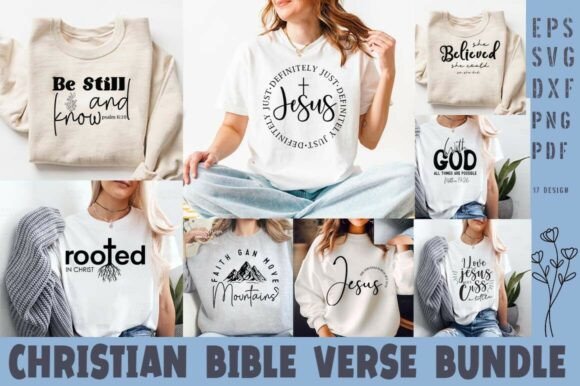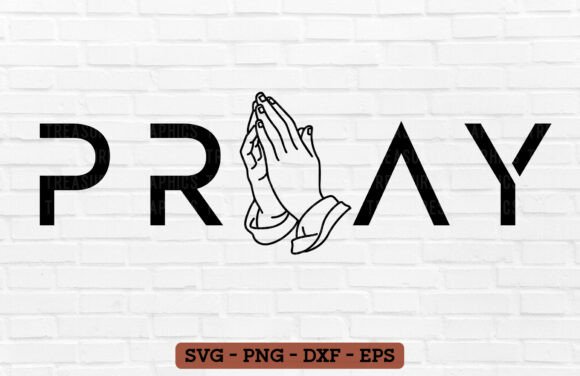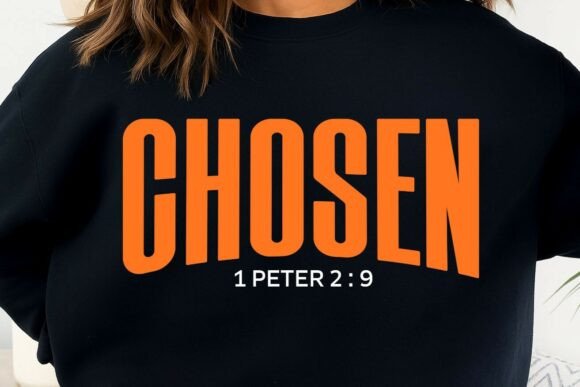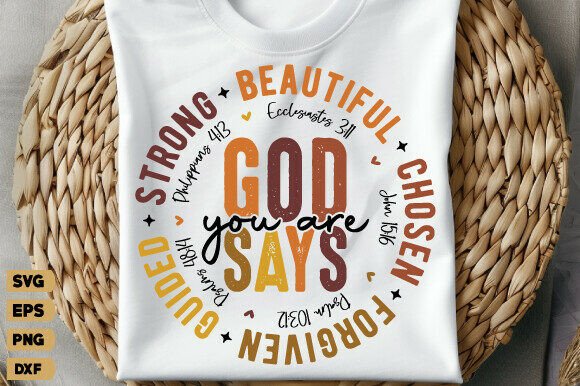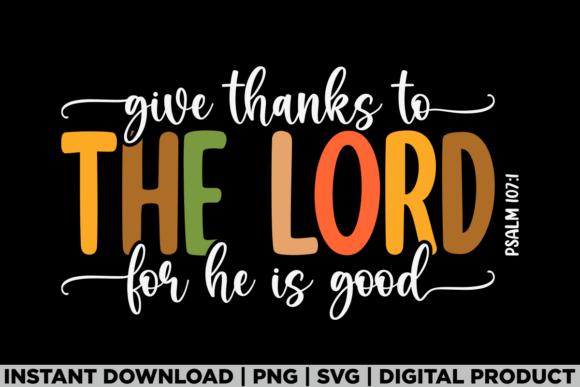
Christian Bible Thanksgiving the Lord Graphics & T‑Shirt Designs
When a new graphic design asset lands in my download folder, the first thing I do is sit with it for a few minutes before making any product decisions. That quiet look reveals a lot about whether a piece will carry real commercial weight or end up gathering digital dust. Christian Bible Thanksgiving the Lord caught my attention immediately because it hits a niche that is both underserved and consistently in demand across print‑on‑demand shops, Etsy stores, and digital download marketplaces. The design carries a reverent, grateful mood without feeling overly stiff or formal. It leans into a modern devotional aesthetic—clean enough for everyday wear, warm enough for seasonal collections, and versatile enough to stretch across a wide range of product categories.
First Impressions and Market Fit
This design feels like it belongs in a thoughtfully curated shop section alongside thank‑you cards, fall‑themed apparel, and Sunday morning outfit inspiration. The visual personality is gentle but grounded. It does not scream for attention; instead, it invites the buyer into a moment of gratitude. That kind of tone works especially well for sellers targeting faith‑based audiences, but I believe its appeal goes further. Buyers looking for meaningful gifts, planners who want reflective imagery, and even bloggers building seasonal content can all find a use for Christian Bible Thanksgiving the Lord. This design is perfect for yourself or someone special on various occasions. Ideal for moms, dads, sons, daughters, grandmas, grandpas, or dear friends, this design is a superb option for birthdays, a thoughtful gesture during the holiday season, or any time a customer wants to combine faith with a tangible expression of thanks.
From a seller’s perspective, that broad demographic reach is exactly what makes a graphic design asset worth investing time in. I would not limit this piece to just one season or one product type. Instead, I see it as a foundation piece for a whole gratitude‑themed collection that can rotate through the year.
Testing the Design Across Real Products
Before I commit to listing anything, I run a new asset through a quick product test routine. I grab a few blank product mockups—a t‑shirt, a mug, a tote bag, a piece of framed wall art—and drop the design onto each one. Watching how Christian Bible Thanksgiving the Lord behaves across different surfaces tells me immediately where it will shine and where I might need to adjust my approach.
On a t‑shirt mockup, the design reads well at a standard chest size. The lettering and any accompanying graphic elements maintain their integrity without becoming muddy or crowded. This is a strong sign for anyone selling on print‑on‑demand platforms where you have limited control over print quality. On a mug and a tote bag, the same file holds up nicely, keeping its visual hierarchy intact even when scaled down for a smaller print area. For wall art, the design takes on a more decorative, almost meditative quality. That versatility across product formats is rare, and it tells me this asset can anchor multiple listings within the same shop.
I also tested it inside a simple Canva template for a social media post and a greeting card layout. Because the design carries a complete message and a cohesive visual style, it reduces the amount of extra layering I need to do. For sellers who produce a high volume of templates or printable products, this kind of ready‑to‑use clarity saves hours of editing time.
Where the Asset Works Best
Christian Bible Thanksgiving the Lord performs strongest in product categories where the message and the visual can breathe. I would prioritize it for:
- T‑shirt designs and apparel graphics – especially for fall and Thanksgiving promotions, church group orders, and family reunion shirts with a faith theme.
- Sublimation designs for mugs, tumblers, and coasters – the tonal range works well on both light and dark substrates when the file is properly prepared.
- Printable wall art and home decor – a simple frame around this design makes a ready‑to‑sell digital download that buyers can print at home or at a local shop.
- Greeting cards, invitation templates, and stationery – the grateful message fits birthday, thank‑you, and Thanksgiving cards equally well.
- Canva templates for social media and blog graphics – content creators in the faith and lifestyle space will pay for pre‑designed visuals that match their brand voice.
- Cricut projects and cut‑file applications – if the SVG layers are clean and well‑organized, this design can become a popular selling file for crafters who make physical products.
- Product mockups and listing images – using this design as part of your own shop photography or thumbnail set adds a polished, consistent look that builds customer trust.
I also see strong potential in design bundles. Pairing this asset with a few complementary graphics, a coordinating color palette, and some bonus printable pages creates a higher perceived value. Bundling is one of the most effective ways to increase average order value on creative marketplaces, and this design is sturdy enough to anchor that kind of collection.
Where to Use It Carefully
No asset is perfect for every product, and honest evaluation saves shop owners from headaches later. With Christian Bible Thanksgiving the Lord, I would be cautious in a few specific scenarios:
- Tiny sticker details or very small print areas – if the design includes thin script or delicate flourishes, scaling it down below two inches may cause readability problems. Always test at the target size before publishing.
- Overly complex layouts or layered compositions – this design works best when it remains the focal point. Stacking too many additional elements on top of it can muddy the message and confuse the visual hierarchy.
- Low‑resolution print products – if you are working with a non‑vector version, verify the resolution at the final print size. Blurry or pixelated output will hurt your shop’s credibility.
- Crowded thumbnails – on Etsy or Creative Fabrica, a busy listing image can kill click‑through rates. Let the design breathe in your thumbnail rather than cramming it with text, badges, or borders.
- Dark backgrounds with weak contrast – test the design on both white and dark backgrounds. If the file was created primarily for light surfaces, a dark version or a white outline layer may be necessary for dark apparel and products.
- Projects requiring clean cutting lines – for Cricut or Silhouette users, inspect each SVG layer carefully. Small gaps, overlapping paths, or stray nodes can cause cutting errors and frustrated customers.
Practical Seller Notes Before You Publish
After testing, the real work begins. Here are the steps I take before adding any graphic design asset to my active product lineup:
- Test on real mockups. Do not rely on the preview in your design software. Drop the file onto a photorealistic t‑shirt mockup, a mug mockup, and a wall art mockup. Check how the colors shift and whether any text becomes hard to read at smaller sizes.
- Preview it as a marketplace thumbnail. Shrink the design down to the size it will appear in search results. If it loses impact or becomes illegible, consider simplifying the composition or choosing a different angle for your listing image.
- Check white and dark background performance. A design that looks stunning on a white canvas may disappear on a black t‑shirt. Create a layered version if necessary, or clearly note in your listing which background colors work best.
- Test print colors. Monitor calibration varies wildly. Print a sample if possible, or at least soft‑proof the file using your printer’s profile. Nothing hurts a shop’s reputation faster than a customer receiving a product where the colors look nothing like the listing.
- Verify PNG transparency and SVG cut quality. Open the PNG on a dark desktop background to confirm there are no unwanted white halos or jagged edges. For SVG files, run them through a cutting machine simulator or inspect the paths in vector editing software.
- Confirm file resolution. Ensure the design meets the minimum DPI requirements for your chosen print method. 300 DPI is the standard for most printed products, but some print‑on‑demand services have specific guidelines.
- Organize files clearly for customers. If you are selling this as a digital download, name your files logically, include a simple instruction sheet, and separate SVG, PNG, and any editable formats into clear folders. Good file organization reduces support messages and increases positive reviews.
- Pair with complementary font styles. When using this design inside a template or a layered composition, consider how it interacts with serif, sans serif, script, handwritten, and display fonts. A well‑chosen font pairing can elevate the entire product, while a mismatched one can make it look amateurish.
- Confirm commercial licensing. Before selling any finished products—whether physical merchandise or digital templates—verify that your license covers commercial use. Some assets require attribution or restrict the number of products you can produce. Know the terms upfront to avoid legal surprises.
Supporting a Professional Product Collection
One underrated advantage of a cohesive graphic design asset like this one is how it elevates your entire shop presentation. When I use Christian Bible Thanksgiving the Lord across multiple listing images, social media graphics, and promotional banners, my brand starts to feel intentional rather than scattered. Buyers notice that consistency. It builds trust, increases perceived value, and encourages repeat visits.
For Etsy sellers and print‑on‑demand entrepreneurs, the difference between a shop that looks like a hobby and a shop that looks like a business often comes down to visual storytelling. This design gives you a strong anchor point for that story. Whether you are building a seasonal collection around gratitude, creating a series of faith‑based greeting cards, or offering a bundle of Thanksgiving printables, having a single cohesive asset to build around saves time, reduces creative fatigue, and helps your product line feel complete.
I also appreciate that this design works for both digital and physical product paths. I can use it to create a digital download listing on Etsy—perhaps a set of printable wall art or a Canva template—and simultaneously use the same file to produce a t‑shirt or a mug through a print‑on‑demand service. That kind of cross‑format flexibility is valuable for small business owners who want to diversify their revenue streams without constantly sourcing new design assets.
Final Thoughts on the Asset
After running Christian Bible Thanksgiving the Lord through my usual review process, I would confidently add it to my active product lineup. It fills a clear niche, adapts well to multiple product types, and carries a tone that resonates with a broad but targeted audience. The design does not require heavy editing or re‑imagining to be market‑ready, which is a significant time saver for anyone managing multiple shops or a high volume of listings.
As with any graphic design asset, the final success depends on how well you test, present, and package it for your specific customers. But starting with a piece that has strong visual clarity, a genuine emotional hook, and real cross‑product versatility puts you well ahead of the average listing. For sellers looking to build a faith‑inspired product line or a seasonal gratitude collection, this is a solid foundation to work from.