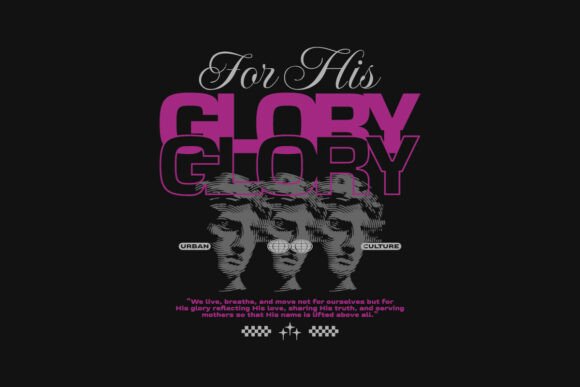
For His Glory Streetwear Christian Graphics & T-Shirt Designs
When I first opened the For His Glory Streetwear Christian Style asset, I was looking for something that could bridge two growing markets: faith-based apparel and modern streetwear aesthetics. As someone who has been selling digital products for several years across Etsy, Creative Fabrica, and my own Shopify store, I have learned that the best design assets do not try to please everyone. Instead, they speak clearly to a specific audience. This graphic design asset does exactly that. It lands squarely in the space between bold typography, gospel-centered messaging, and the kind of visual language that works on hoodies, tees, and accessories aimed at younger believers and streetwear enthusiasts.
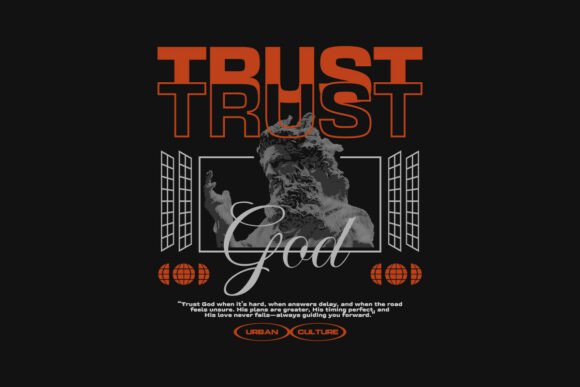
The mood here is confident, clean, and purpose-driven. It is not overly decorative or sentimental. Instead, it leans into a modern, almost minimal approach with strong letterforms and a layout that feels like it was built for apparel first. The visual personality is bold without being aggressive, and the message is unmistakably Christian without feeling niche in a limiting way. I can see this resonating with church youth groups, Christian clothing brands, and individual sellers who want to offer something that feels relevant rather than generic. The buyer who picks up a product made from this design is likely looking for something they can wear daily, not just on Sunday.
Let me walk you through how I tested this asset before deciding to build a product collection around it. I run a small print-on-demand shop and a digital download store, and I am always evaluating new design assets for their commercial potential. The For His Glory Streetwear Christian Style file set includes AI, EPS, SVG, and PNG formats, all at 300 DPI for printing, with the vector files being fully scalable. That alone tells me the creator understands what sellers actually need. Having the native vector files means I can tweak colors, resize for different product templates, and maintain crisp edges whether I am printing on a toddler-size tee or a 24-ounce tumbler wrap.
Testing the Asset Across Real Products
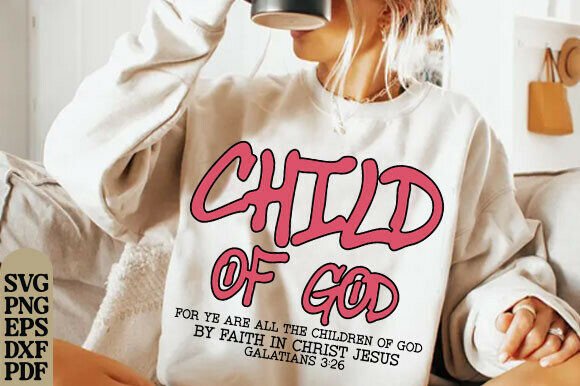
My typical workflow starts with mockups. I loaded the SVG file into my design software and tested it on a few product templates I was preparing for a new seasonal collection. The first thing I noticed was how well the layout holds its visual hierarchy at different sizes. On a t-shirt design mockup, the text remained readable and the overall composition felt balanced. I then tested it on a mug design, a tote bag print, and a sticker sheet layout. The asset performed consistently across all of them. The proportion of the graphic works well on both horizontal and vertical product orientations, which is not something I can say for every design bundle I have purchased.
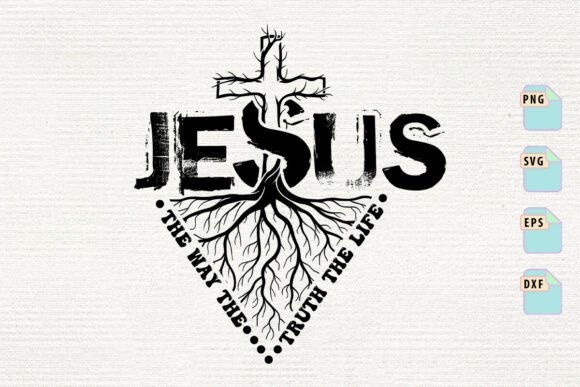
For the PNG version, I checked the transparency edges and color saturation. The file is clean, with no rough aliasing or leftover background artifacts. That matters when you are layering the graphic onto a colored garment or a patterned surface. I also opened the EPS file in Adobe Illustrator to inspect the vector paths. Everything was well organized, with clearly named layers and no stray anchor points. For someone who plans to resell or modify the design, this level of file hygiene saves hours of cleanup work.
I decided to build a small collection around this asset: a set of five t-shirt designs, a matching hoodie variant, and a bundle of accessory mockups for mugs and phone cases. I also prepared a digital download pack with the SVG and PNG files reformatted for Cricut users. Because the asset is a 100% vector graphic in the EPS and SVG files, I could easily adjust the scale without losing resolution. That flexibility is crucial when you are listing products on multiple platforms and need different aspect ratios for each listing image.
Where This Graphic Design Asset Shines
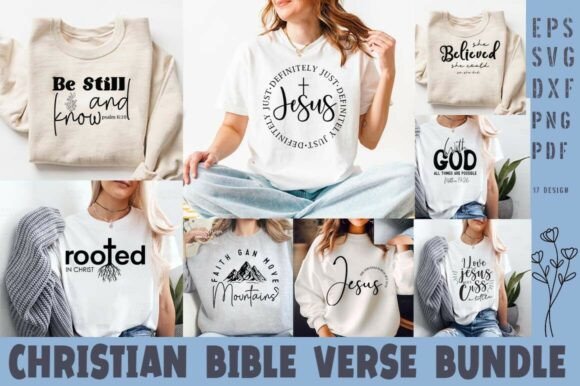
From a selling perspective, the For His Glory Streetwear Christian Style works best on products where the design can be the focal point. Large product previews, such as the front of a hoodie or the center of a tote bag, allow the typography and layout to command attention. The graphic also performs well in themed bundles. I put together a gospel streetwear bundle that included this design alongside a few complementary pieces, and the cohesion across the collection was strong. For printable products like wall art and greeting cards, the design adapts nicely when paired with a matte or textured paper mockup.
I also found it effective for social media graphics and promotional visuals. Because the asset has a clean, modern look, it works well as a thumbnail image for Etsy listings or Instagram posts. The contrast is high enough that it pops even in smaller preview sizes, which is important for click-through rates. When I tested it as a marketplace thumbnail next to other listings, it held its own. The visual storytelling is clear: this is a faith-based design with a streetwear edge, and the customer knows exactly what they are getting at a glance.
Where to Use It Carefully
No asset is perfect for every application, and I always recommend testing before committing to a large production run. I noticed that the design includes some fine lines and tight letter spacing in parts of the layout. For tiny sticker details, such as a one-inch planner sticker or a small logo accent, those elements may become difficult to read or cut cleanly. If you are producing products where the print area is very small, you may want to simplify the design or enlarge the central message. Similarly, on crowded thumbnails where multiple graphics compete for attention, the design can get lost if it is scaled down too much.
Another area to approach with caution is dark backgrounds. While the design itself has good contrast, I tested it on a black garment mockup and found that the legibility depends heavily on the color of the print medium. If you are using a dark shirt, make sure the ink color or the PNG file has enough opacity and contrast to stand out. For Cricut or Silhouette projects, I recommend inspecting the SVG cut paths carefully. The vector paths in this asset are clean overall, but the tighter spaces between letters could cause weeding challenges for intricate cuts. A quick test cut on your machine will tell you whether you need to adjust the size or simplify any details.
Practical Seller Notes for Using This Asset
I always tell other sellers to test a design on real mockups before publishing a listing. That applies here too. Preview it as a marketplace thumbnail, look at it on both white and dark backgrounds, and check how the colors render on your screen versus a test print. The PNG file is high resolution, but I recommend verifying that the transparency behaves correctly when layered over different textures. I also ran a quick print test on a sample shirt using a local print-on-demand service, and the result came back sharp and vibrant. The 300 DPI specification is accurate, and the file holds up well at typical print sizes.
For those of you selling digital downloads, file organization matters. I repackaged the asset into a clear folder structure with separate subfolders for AI, EPS, SVG, and PNG files, and included a simple readme with commercial licensing terms. Customers appreciate when you make it easy to find the right format for their specific project. I also added a small suggestion to pair the design with a complementary font if anyone wants to customize it further. A clean sans serif works well alongside the existing typography, but a subtle handwritten font could add a personal touch for certain products.
If you are creating Canva templates or social media graphics with this asset, the PNG file with transparency is your best bet. You can layer it over background images, adjust the opacity, and combine it with other design elements without worrying about file compatibility. For Cricut projects, the SVG file is the go-to format, but again, test the cut on a small scale first. I also recommend including a brief usage guide in your product listing that explains which format works best for which application. That kind of detail builds trust and reduces refund requests.
Commercial Licensing and Brand Considerations
Before you start selling finished products using this design, confirm the commercial license terms that came with your purchase. Most graphic design assets in this category allow you to sell physical products like t-shirts, mugs, and tote bags, but they may restrict reselling the digital files themselves. I always keep a copy of the license document in my product files for reference. For small business branding and handmade businesses, this asset can become a signature piece if used consistently across merchandise. The visual identity it brings is strong enough to support a cohesive brand, especially for shops targeting the Christian streetwear niche.
I also think about packaging design when I evaluate an asset. Even though the primary use case for this design is apparel, the clean vector style translates well to product labels, hang tags, and inserts. If you are building a brand around faith-based streetwear, having a unified look across your packaging and your products reinforces your identity. The design does not feel out of place on a tissue paper wrap or a small sticker that seals a poly mailer. That kind of visual consistency helps with perceived value and customer retention.
Final Thoughts Before You List
After working with the For His Glory Streetwear Christian Style asset across multiple product types and platforms, I can say it is a solid addition to any digital product seller's library, especially if you serve the faith-based or streetwear market. The file formats are complete, the resolution is print-ready, and the design itself has a clear commercial appeal. It is not a one-size-fits-all solution, but when you match it to the right products and test it thoroughly, it can support a professional-looking product collection that stands out in a crowded marketplace.
Whether you are preparing an Etsy product listing, designing for print-on-demand, or building a bundle for a creative marketplace, take the time to test the asset on your actual product mockups. Check the SVG cut quality if you sell to Cricut users, verify the PNG transparency for sublimation designs, and confirm that the design scales well across your intended product range. With those steps in place, this graphic design asset can be a reliable piece of your commercial toolkit.