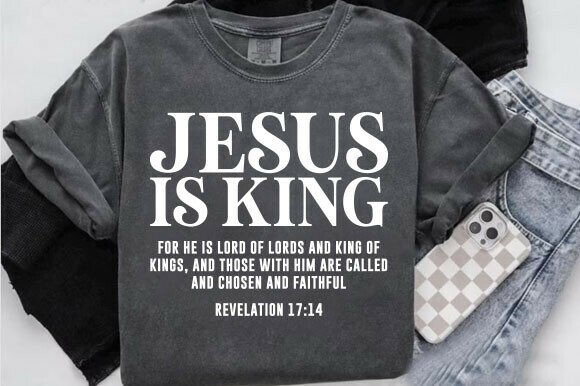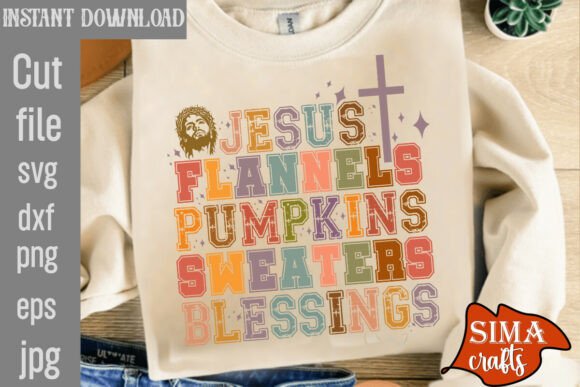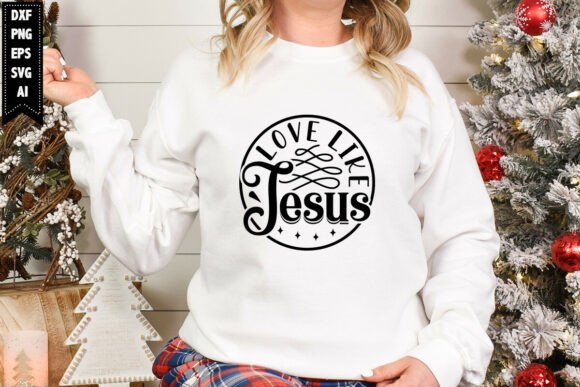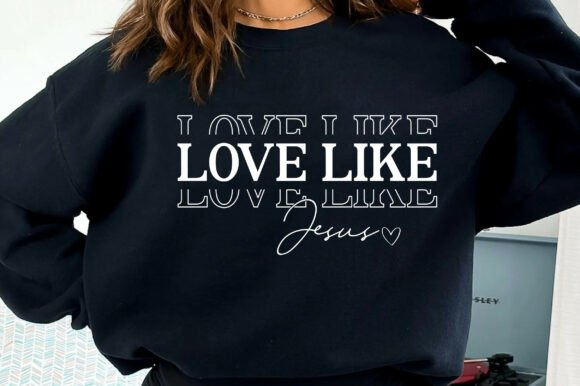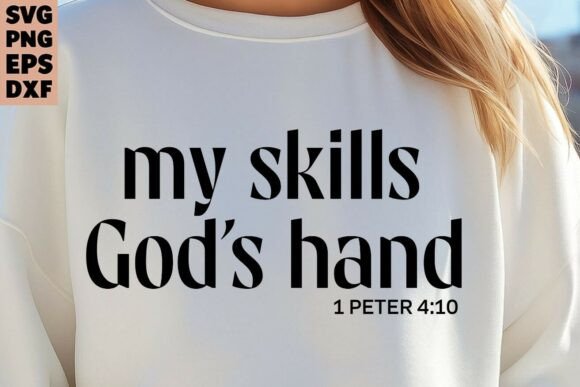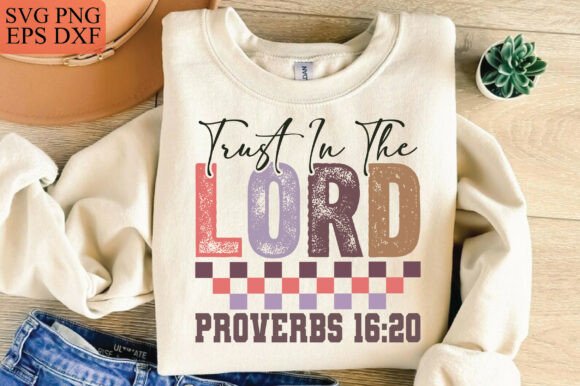
Trust in the Lord SVG and Jesus SVG T-Shirt Designs
When I first opened the Trust in the Lord SVG, Jesus SVG package, I was struck by how clean and intentional the visual felt. As someone who has reviewed hundreds of graphic design assets for real publishing work, I know that first impressions matter deeply in editorial design. This particular graphic design asset carries a warm, faith-based aesthetic that immediately evokes trust and stillness. It is not overly ornate or trendy, which means it can serve content across seasons and platforms without feeling dated. The mood here is reflective, gentle, and quietly bold—exactly the kind of visual tone that resonates with readers who value sincerity over flash. For content publishers working in lifestyle, faith, inspiration, or personal development niches, this asset offers a natural anchor for visual communication that feels both personal and professional.
Why This Design Asset Fits a Real Publishing Workflow
In my daily workflow as a digital publisher, I rely on design assets that do more than just sit pretty. They need to carry editorial weight. The Trust in the Lord SVG, Jesus SVG delivers on that front because it translates beautifully across formats. The product arrives as a Premium Digital CUT FILE with instant download, packaged inside a ZIP folder containing four file types: SVG, EPS, and a transparent-background PNG. This is exactly the kind of file variety I expect from a serious creative marketplace offering. The SVG format allows me to scale it infinitely for large website headers or small Pinterest pins without losing quality. The EPS file gives me flexibility in vector editing software, and the transparent PNG is ready to drop into any Canva template or editorial layout in seconds. For a publisher juggling blog graphics, social media visuals, and downloadable resources, this kind of ready-to-use packaging is a time saver.
One of the first things I did was test the asset inside a mock blog layout. I placed it as a hero image behind a headline in a sans serif font, and the contrast was strong enough to maintain readability without overwhelming the text. That is a rare quality in faith-based design assets, which sometimes lean too decorative for practical web use. Here, the balance between modern design and classic symbolism is handled well. The asset does not scream for attention; it invites the reader to pause. That is a powerful editorial effect.
How It Shapes Reader Perception and Content Mood
The editorial mood created by Trust in the Lord SVG, Jesus SVG is one of calm authority. When a reader lands on a blog post or a newsletter featuring this visual, they are subconsciously cued into a space of reflection and trust. That is invaluable for content that deals with faith, hope, daily encouragement, or personal growth. I can see this asset working beautifully in a lead magnet or digital guide cover design, where the goal is to communicate warmth and credibility in one glance. It also supports brand identity for small business owners who run faith-aligned websites, Etsy shops, or coaching platforms. The aesthetic is not aggressively feminine or masculine, which gives it a broad appeal across demographics. It feels lifestyle-focused without being generic, and it carries a handmade quality that readers tend to trust more than stock photography.
For Pinterest pin creation, this asset is a strong candidate. I tested it layered over a soft cream background with a bold serif headline, and the pin immediately looked more clickable. The visual hierarchy was clear: the graphic element framed the text without competing with it. That is the kind of performance that drives content marketing results. In a crowded feed, a pin that feels both polished and sincere stands a better chance of earning a click.
Practical Applications Across Editorial and Content Formats
From blog featured images to social media graphics, this design asset adapts well. Here are some of the real publishing situations where I would use it without hesitation:
- Blog hero images and article headers for faith-based or inspirational posts
- Pinterest pin backgrounds that need a subtle but meaningful visual anchor
- Newsletter banner headers that reinforce a weekly theme of trust or hope
- Downloadable printables and scripture cards for freebie libraries
- eBook covers and digital guide front pages for lead magnets
- Category thumbnails on a content website to visually separate topic sections
- Media kit covers for faith-based bloggers and creative entrepreneurs
- Affiliate content visuals for products related to faith, wellness, or personal growth
- Canva template components for Instagram posts and Facebook cover images
- Website header accents that add a quiet branding touch without screaming
I also see strong potential for this asset in small business branding projects. If a client runs a faith-based stationery shop or a coaching practice, this SVG can become a recurring visual element across touchpoints. It is subtle enough to appear on a website footer, yet bold enough to stand alone on a product label. That kind of versatility is rare in a single graphic design asset.
Where It Delivers Strongest Content Performance
When I evaluate an asset for editorial use, I consider how it affects key performance factors. The Trust in the Lord SVG, Jesus SVG contributes positively to several areas:
- Stronger first impression: The design draws the eye without confusion, making the page feel curated and intentional.
- Clearer visual hierarchy: It works as a background or accent without overpowering headlines or body text.
- Better click-through potential: On Pinterest and social media, clean faith-based visuals tend to outperform cluttered alternatives.
- More consistent branding: Using the same asset across formats creates a cohesive brand identity that readers subconsciously recognize.
- Improved reader trust: A polished visual signals that the content behind it is equally well-crafted.
- Stronger category recognition: When visitors see this asset repeated, they associate it with a specific content pillar or topic area.
For affiliate marketing pages, this asset can serve as a subtle trust signal without feeling salesy. Placing it near a call-to-action or testimonial reinforces the emotional tone of the page. That is a smart use of visual hierarchy that experienced publishers will appreciate.
Where to Use It Carefully
No asset is perfect for every context. Here is where I would apply caution with Trust in the Lord SVG, Jesus SVG:
- Small mobile thumbnails: At very small sizes, the fine details may become hard to read. Always preview it on mobile before committing.
- Text-heavy blog images: If the graphic will sit behind dense text, test contrast carefully. The asset works best with shorter headlines.
- Low-contrast backgrounds: Placing it on a very light or very dark surface without proper adjustment can reduce readability.
- Busy layouts: In a page with multiple competing elements, this asset's subtle strength may get lost. Give it breathing room.
- Serious professional niches: For corporate or highly formal content, the faith-based symbolism may not align. Match the asset to audience expectations.
- Minimal visual systems: If your brand uses no decorative imagery, adding this may disrupt consistency. Use only if it fits your existing identity.
Practical Publisher Notes for Using This Digital Product
After working with this asset across several test layouts, I want to share actionable tips for anyone planning to use it in real publishing projects. First, test it on both desktop and mobile screens. I always preview an asset inside a live blog environment before publishing. The SVG scales beautifully, but the transparent PNG should be checked for edge rendering at smaller sizes. Second, try it with different font styles. I tested it alongside a serif font, a sans serif font, a script font, a handwritten font, and a display font. The asset paired best with clean serif or simple sans serif faces. Script and handwritten fonts felt slightly busy in combination, so use those with caution.
Third, check contrast and readability. The asset has a soft visual weight, which means it works best on backgrounds with moderate contrast. I recommend testing it in black and white first to see if the shape holds its visual impact without color support. Fourth, review file size for web performance. The SVG file is lightweight, which is excellent for page load speed. The PNG should be compressed for web use, especially if you plan to use it on Pinterest pins or social media graphics where file size matters less but load time still counts. Fifth, confirm the commercial license before using it on monetized websites, affiliate pages, or paid content products. This is a standard step I take with every digital download from a creative marketplace, and it ensures you stay compliant while building your brand.
Finally, consider how this asset fits into your broader visual system. If you run a content website that publishes weekly encouragement posts, using this SVG consistently across article headers, Pinterest pins, and newsletter graphics will strengthen your visual identity over time. Readers will begin to associate that quiet, trustworthy aesthetic with your brand. That is the kind of recognition that fuels long-term reader loyalty and content marketing success.
Final Thoughts on Using This Design Asset for Real Content
After spending time with the Trust in the Lord SVG, Jesus SVG, I can confidently recommend it to bloggers, publishers, and creative entrepreneurs who need a faith-based graphic design asset that feels editorial, not crafty. It supports real publishing workflows across blog graphics, social media visuals, downloadable resources, and digital products. It is versatile enough for T-Shirt Designs yet refined enough for a professional website header. Whether you are building a lead magnet, designing a Pinterest pin, or creating a digital guide cover, this asset delivers a mood of calm trust that readers respond to. For small business owners and content creators who value both polish and purpose, this is a creative design asset worth adding to your toolkit.